
 English
 česky
 Deutsch
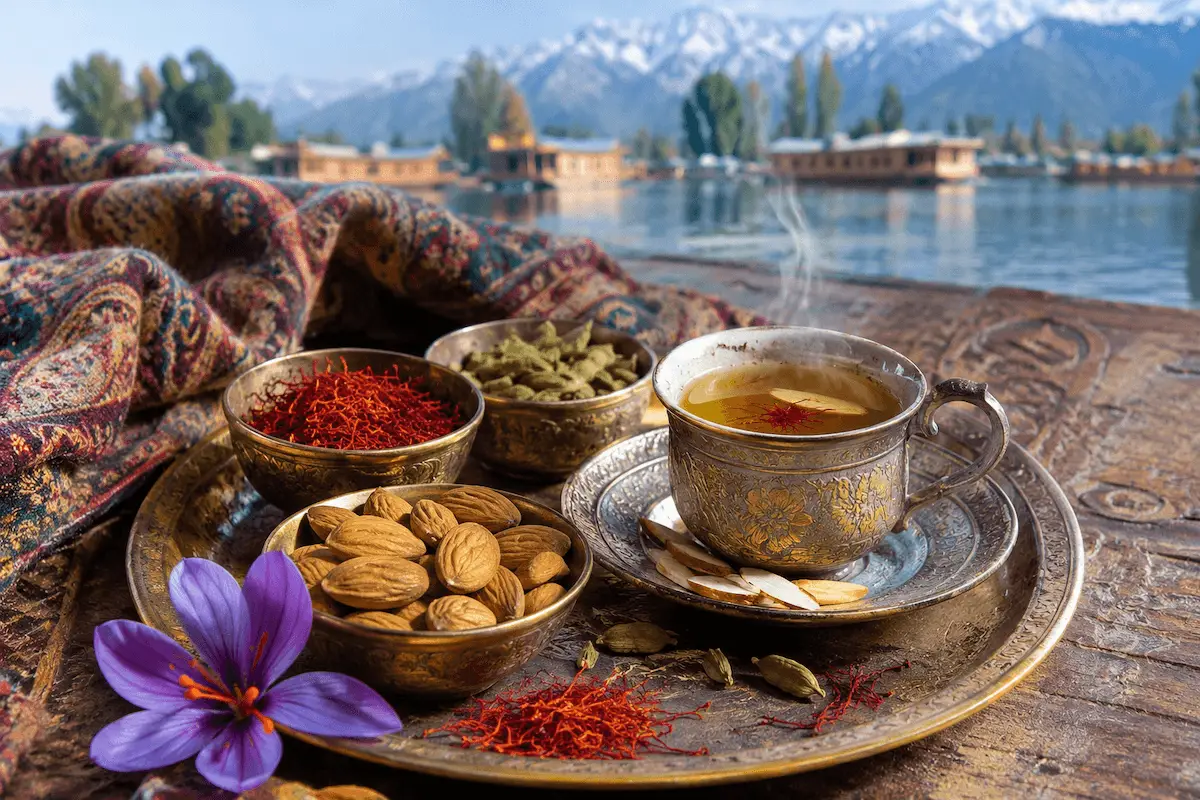
Kashmir is famous for its snow-capped mountains, beautiful valleys, traditional houseboats and breathtaking landscapes. Yet there is another side to this remarkable region that deserves just as much attention: its food.
Kashmiri cuisine reflects the region’s history, geography and cultural identity. From elaborate royal feasts to simple home-cooked vegetables, its recipes tell stories of local ingredients, old trade routes and traditions passed down through generations. Unlike many other regional cuisines of India, Kashmiri cooking is celebrated for aromatic rather than overwhelmingly hot flavours. Saffron, fennel, dried ginger, cardamom and Kashmiri red chillies create a distinctive palette of fragrances and colours.
What Makes Kashmiri Cuisine Unique?
Kashmir’s position between the Indian subcontinent and Central Asia helped shape its food. Persianate and Central Asian influences are particularly noticeable in meat preparations, slow-cooking techniques and elaborate festive meals. Over time, these blended with local produce and the customs of different communities.
Kashmiri red chillies are prized for their vivid colour and comparatively gentle heat. Fennel, dried ginger, cloves, cinnamon and cardamom bring warmth and complexity. Some traditional recipes use ratan jot for colour, although practices vary between cooks. Rice is the principal staple of the valley, while bread is particularly important at breakfast and teatime. Cold winters also encourage nourishing, slowly cooked dishes, alongside preserved foods and seasonal vegetables.
Two Culinary Traditions: Muslim and Pandit Cooking
Kashmiri Muslim cuisine is especially associated with Wazwan, the elaborate feast prepared for weddings and important celebrations. Mutton is central to many preparations; onions, garlic, shallots and carefully balanced spices contribute to rich gravies. Specialist chefs often work for hours to achieve the right texture and flavour.
Kashmiri Pandit cuisine has its own distinctive character. Traditional Pandit preparations generally avoid onion and garlic, using asafoetida, dried ginger, fennel and yoghurt instead. Many Pandit families eat mutton, while lotus stems, potatoes, leafy greens and other vegetables also feature prominently. Dishes such as Rogan Josh and Yakhni may differ substantially between the two traditions. Both are integral to the valley’s culinary heritage.
Wazwan: The Royal Feast of Kashmir
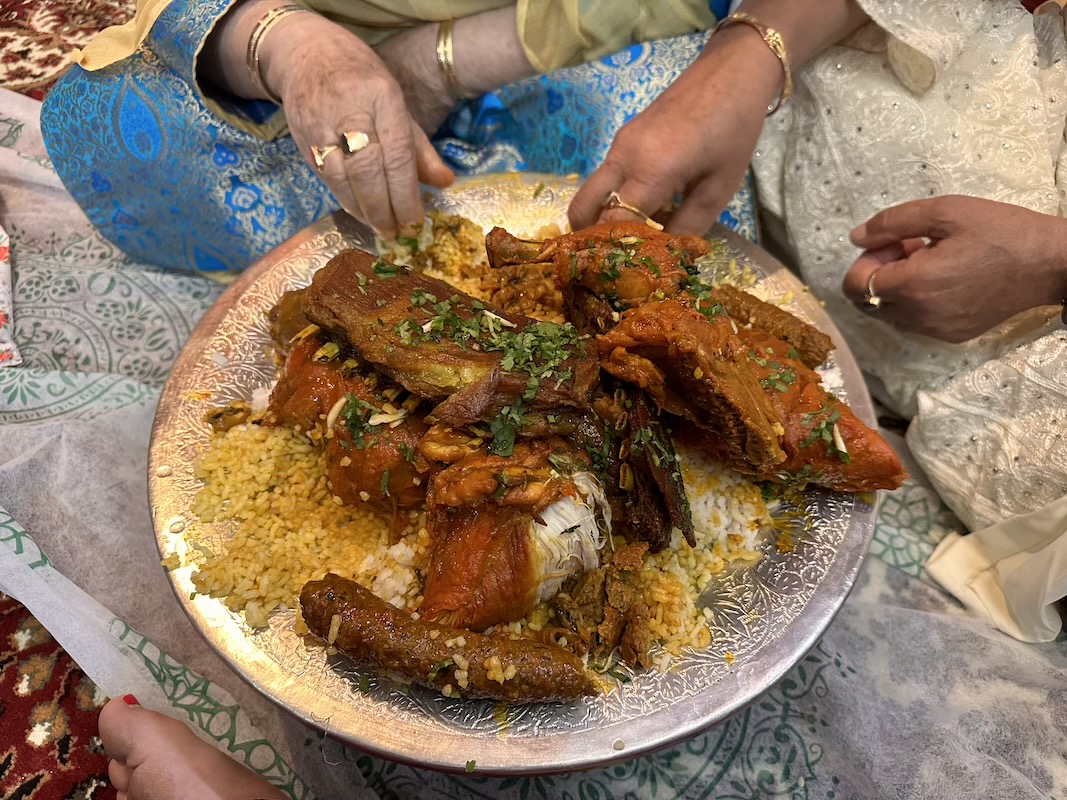
Wazwan is more than a meal: it is a ceremonial expression of hospitality, craftsmanship and community, particularly at Kashmiri Muslim weddings. Grand feasts are sometimes described as having 36 courses, although the actual number varies with the occasion and family. Most dishes are based on meat, especially mutton.
Specialist chefs known as wazas prepare the feast under the supervision of the vasta waza, the head chef. Traditional cooking often uses large copper vessels called degs and may continue for many hours. Meat for Rista and Gushtaba is painstakingly pounded to create its distinctive fine texture.
Guests traditionally share a large round copper platter, the traem or trami, commonly among four people, seated around a dastarkhwan. A handwashing vessel called a tash-t-naer may be brought before the meal. Rice arrives with meat preparations such as kebabs and Tabak Maaz, followed by successive courses. Gushtaba traditionally marks the conclusion. A properly arranged Wazwan offers travellers a memorable encounter with Kashmiri hospitality.
Traditional Kashmiri Dishes You Should Try
- Rogan Josh — Perhaps the best-known Kashmiri dish internationally, it features tender mutton slowly cooked with Kashmiri red chillies and aromatic spices. Muslim and Pandit recipes differ; some include yoghurt, others use different aromatics. Its deep red colour does not necessarily mean fierce heat.
- Rista — Large meatballs made from finely pounded mutton are simmered in a brilliant red gravy. Their exceptionally smooth texture distinguishes them from ordinary minced-meat balls.
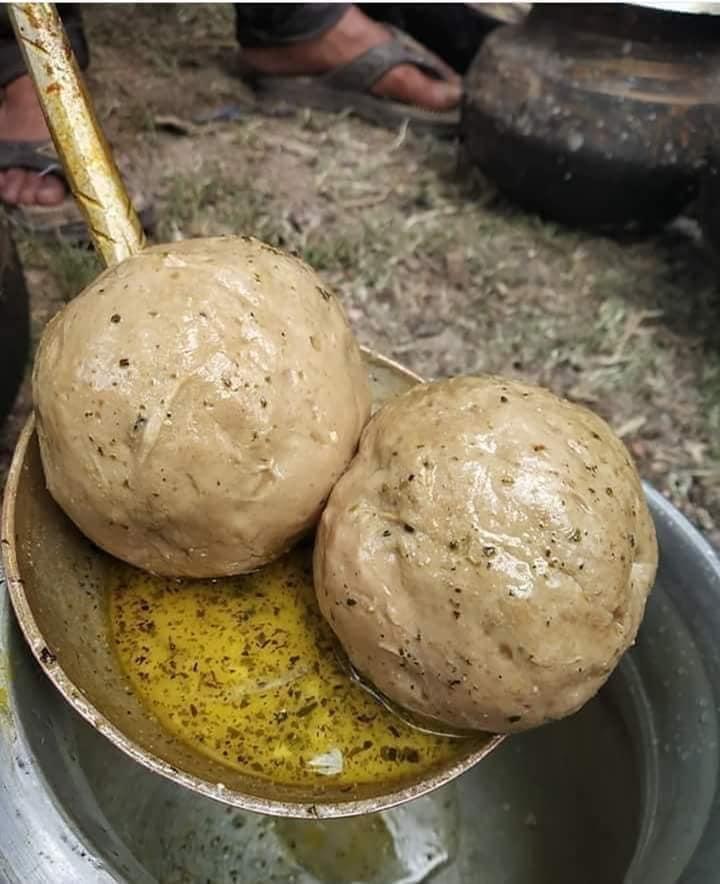
- Gushtaba — Delicate pounded-mutton meatballs in a pale yoghurt-based sauce seasoned with fennel and dried ginger. Traditionally a prestigious concluding course of Wazwan.
- Tabak Maaz — Lamb ribs are first simmered until tender and then fried, often in ghee, producing a crisp golden exterior and succulent meat.
- Yakhni — A gentle, aromatic yoghurt-based preparation, frequently made with mutton. Fennel and cardamom provide its signature flavour; versions with vegetables also exist.
- Kashmiri Dum Aloo — Small potatoes are fried and slowly cooked in a tangy, spiced gravy. The Kashmiri style differs from the creamy tomato-based versions common elsewhere in India.
- Haak — Leafy greens, often collards, are cooked simply and eaten with rice. This everyday dish reveals the understated side of Kashmiri home cooking.
- Nadru Yakhni — Sliced lotus stems, harvested from lakes and wetlands, retain a pleasing crunch in a delicately seasoned yoghurt gravy. Their distinctive holes make them instantly recognisable.
Harissa: A Traditional Winter Breakfast
Harissa is a rich winter speciality particularly associated with Srinagar. Mutton, rice and spices are cooked for hours and worked into a thick, smooth mixture. Served hot, sometimes finished with ghee or oil, it is traditionally accompanied by Kashmiri bread. Specialist shops prepare it during the cold season; it is not a year-round dish in the same way as Rogan Josh.
The Kandur: Kashmir’s Traditional Bakeries
Neighbourhood bakeries, called kandur waan, are an essential part of Srinagar’s daily rhythm. Bakers known as kandurs work with clay tandoor ovens, often starting before dawn. Buying fresh bread here is an authentic everyday experience.
Girda is a round, slightly thick breakfast bread, often eaten with butter or Noon Chai. Lavasa is a thin flatbread; Tsochwor is ring-shaped and often sprinkled with seeds. Bakarkhani is rich and layered, Sheermal slightly sweet, while the small crisp Kashmiri Kulcha differs from the soft stuffed kulcha familiar elsewhere in India.
Kahwa and Noon Chai: Kashmir’s Tea Culture
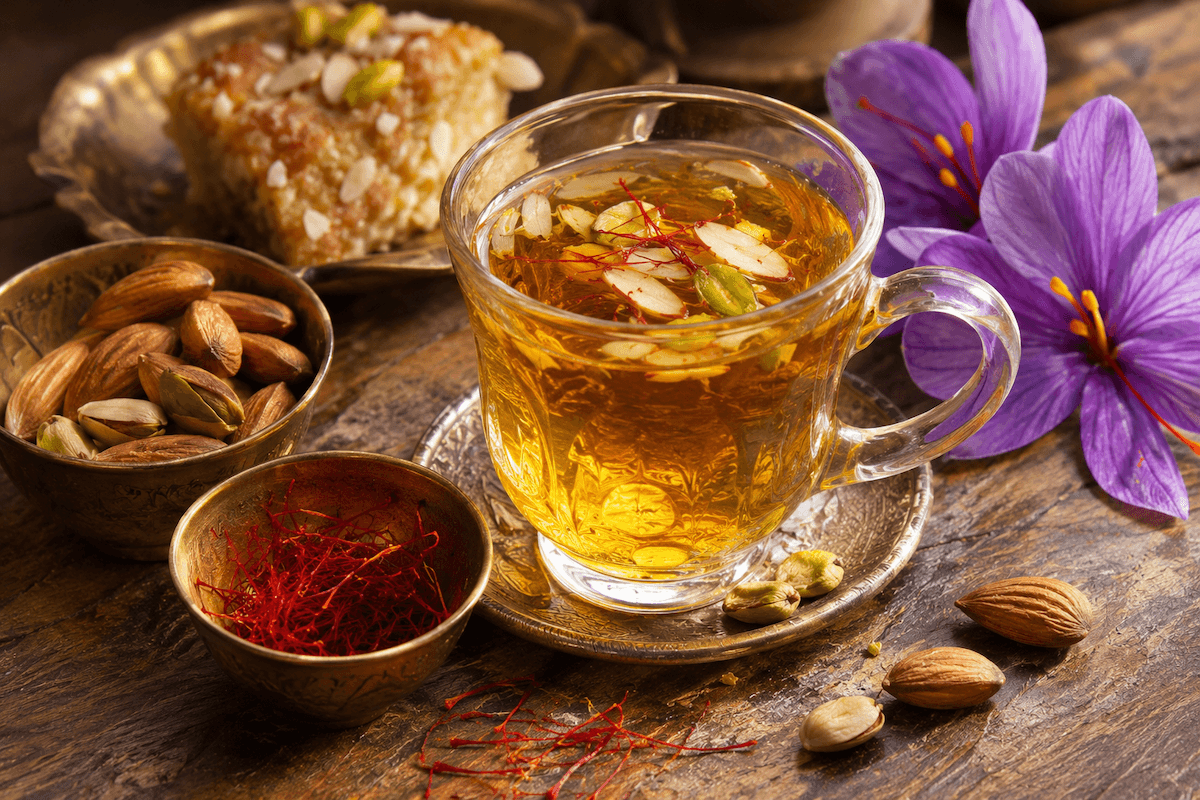
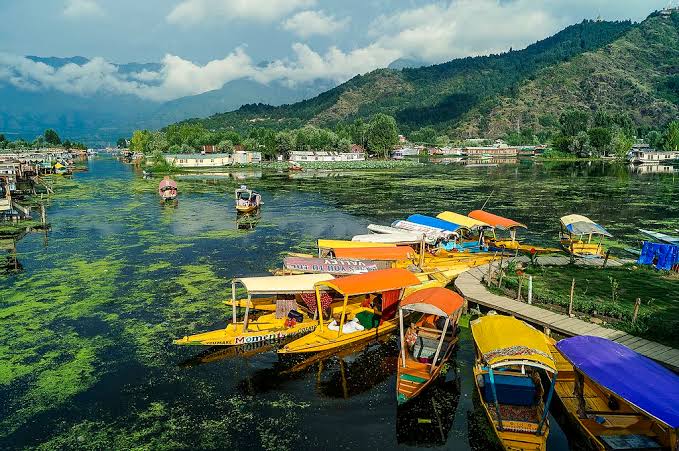
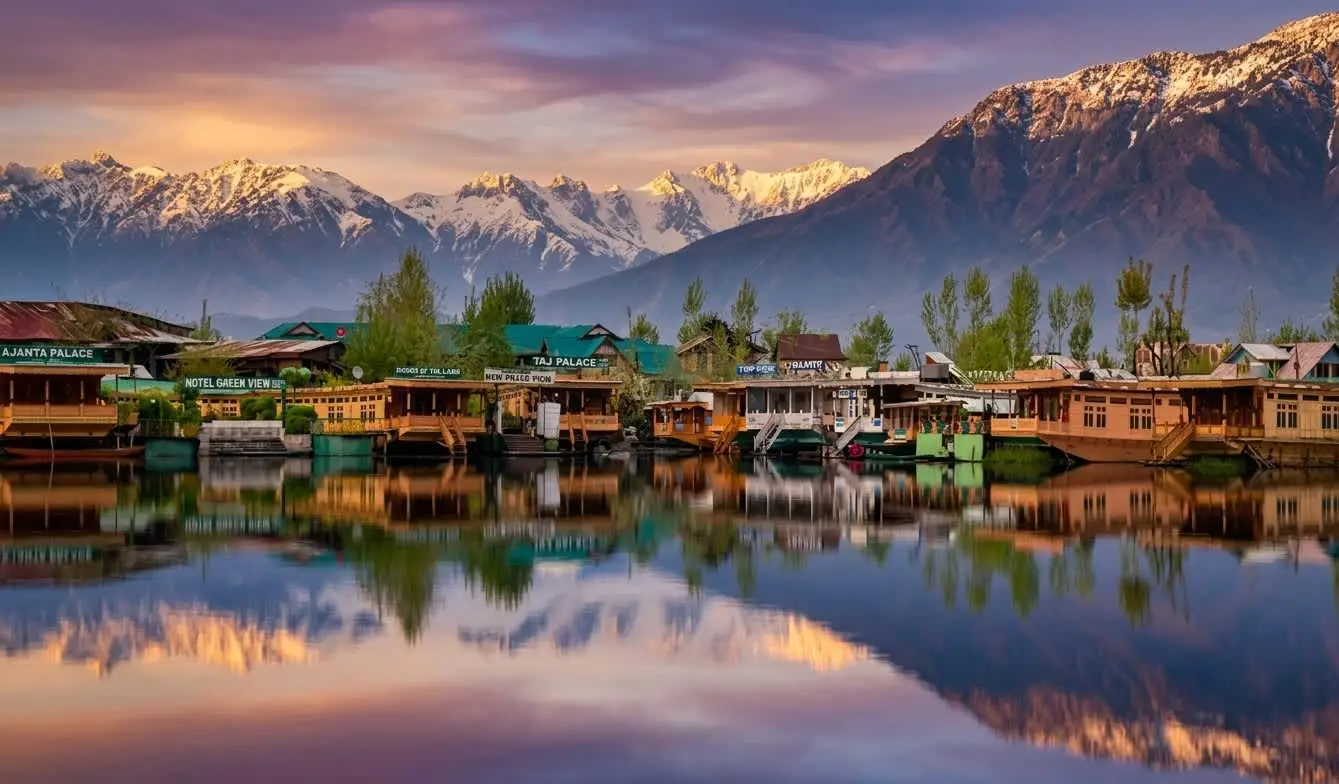
Kahwa is fragrant green tea infused with ingredients such as cardamom, cinnamon and sometimes saffron, often served with slivered almonds. It may be prepared or served in a traditional samovar. A cup of Kahwa on a houseboat overlooking Dal Lake is a memorable pleasure.
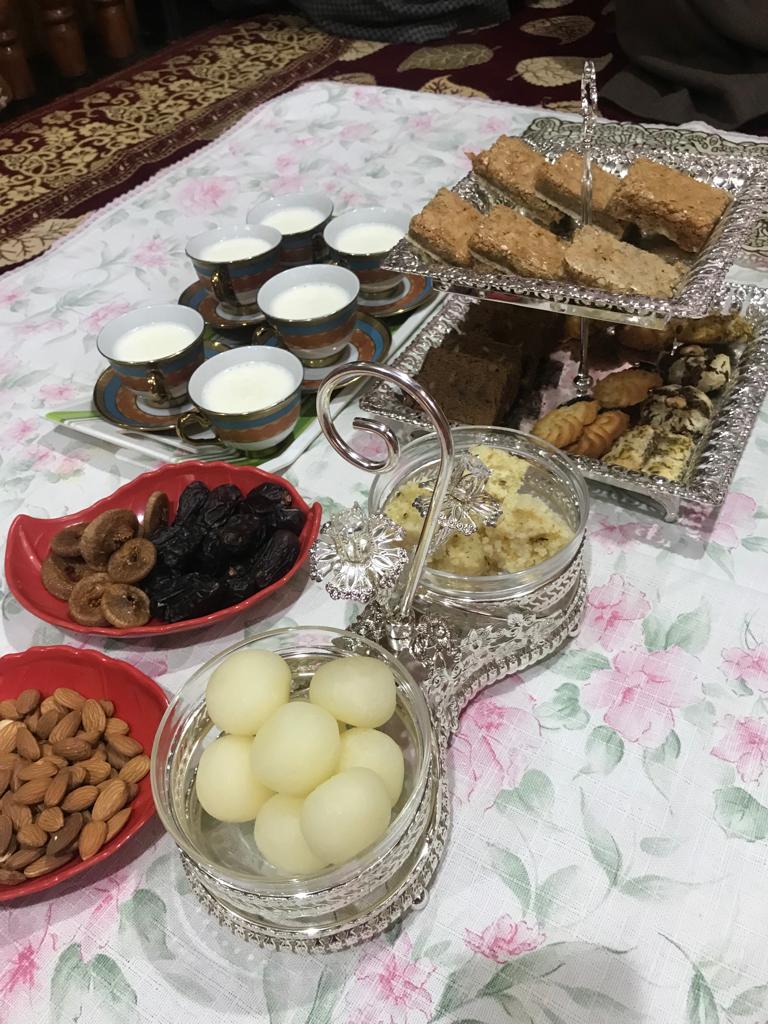
Noon Chai, also called Sheer Chai, is a salted milk tea known for its unusual pink colour. Its preparation involves tea leaves, baking soda, salt and milk. Creamy and slightly salty, it is traditionally enjoyed with fresh bakery bread and is a familiar part of Kashmiri daily life.
Kashmiri Saffron: The Valley’s Precious Spice
The Pampore area near Srinagar is famous for saffron cultivation. Each Crocus sativus flower produces just three red stigmas, which must be collected by hand, explaining the spice’s high value. Kashmiri saffron is prized for its aroma, flavour and colour, and is used in tea, rice dishes and desserts. The flowers generally bloom in autumn. Travellers buying saffron should use reputable sellers because quality and authenticity vary.
Vegetarian Food and Traditional Sweets
Kashmiri cooking is not exclusively meat-based. Alongside Haak, Dum Aloo and Nadru Yakhni, look for Chok Wangun (aubergine in a tangy gravy), Rajma Gogji (kidney beans with turnips), Chaman (Kashmiri paneer), Nadru Monje (crisp lotus-stem fritters) and Modur Pulao (sweet aromatic rice with nuts and dried fruit). Traditional Wazwan, however, remains predominantly meat-based.
For dessert, try Phirni, a creamy milk-and-ground-rice pudding sometimes flavoured with saffron, or Shufta, a rich festive preparation of dried fruits, nuts, ghee and sugar. Walnuts and almonds reflect the valley’s produce and historic trading connections.
Where to Experience Authentic Kashmiri Food
Srinagar is an excellent starting point. Local restaurants may serve Rogan Josh, Rista, Gushtaba and smaller Wazwan-style meals, while old-city bakeries are best visited in the morning. On some Dal Lake houseboats, home-style Kashmiri meals can be arranged in advance. Markets reveal seasonal produce, walnuts, dried fruits and traditional spices.
Food experiences change with the seasons: winter brings Harissa, while autumn offers the saffron harvest around Pampore. For an elaborate Wazwan, arrange the experience ahead of time; the preparation is too involved to expect a complete traditional feast on demand.
Practical Tips for Food Lovers
Do not judge spiciness by colour: Kashmiri red gravies are often aromatic rather than extremely hot. Try both ceremonial Wazwan and simple everyday food such as Haak and fresh Girda. Ask about yoghurt, nuts and meat if you have dietary restrictions. Visit a kandur early in the day, and explore local eateries beyond international hotel menus.
Discover Kashmir Through Its Food
Kashmiri cuisine tells the story of the valley’s climate, communities and cultural exchanges. Wazwan celebrates hospitality, neighbourhood bakeries preserve everyday rituals, and local vegetables and saffron connect the table to the landscape. Discovering these flavours offers a deeper understanding of Kashmir than sightseeing alone.
At Exotic India Tourism, we create tailor-made journeys that can combine Kashmir’s landscapes with authentic dining, local markets and cultural encounters. Explore our Kashmir itineraries and experience the valley through its people, traditions and food. Spice up your life — and discover the authentic flavours of Kashmir.
Frequently Asked Questions
What is Kashmiri cuisine famous for? — Wazwan, Rogan Josh, Rista, Gushtaba, Tabak Maaz, aromatic spices, traditional breads and distinctive teas.
Is Kashmiri food very spicy? — Not necessarily. Many dishes focus on fragrance and depth rather than intense heat.
What is Wazwan? — A ceremonial multi-course feast, especially associated with Kashmiri Muslim weddings, prepared by specialist wazas.
What can vegetarians eat in Kashmir? — Dum Aloo, Haak, Nadru Yakhni, Chaman and several seasonal vegetable preparations.
What is the difference between Kahwa and Noon Chai? — Kahwa is fragrant green tea; Noon Chai is pink, salted milk tea.
When should I visit for food experiences? — Local dishes are available year-round, but Harissa is a winter speciality and saffron blooms in autumn.


Kommentare
Seien Sie der Erste und hinterlassen Sie einen Kommentar zu diesem Artikel.
Kommentar schreiben