
 English
 česky
 Deutsch
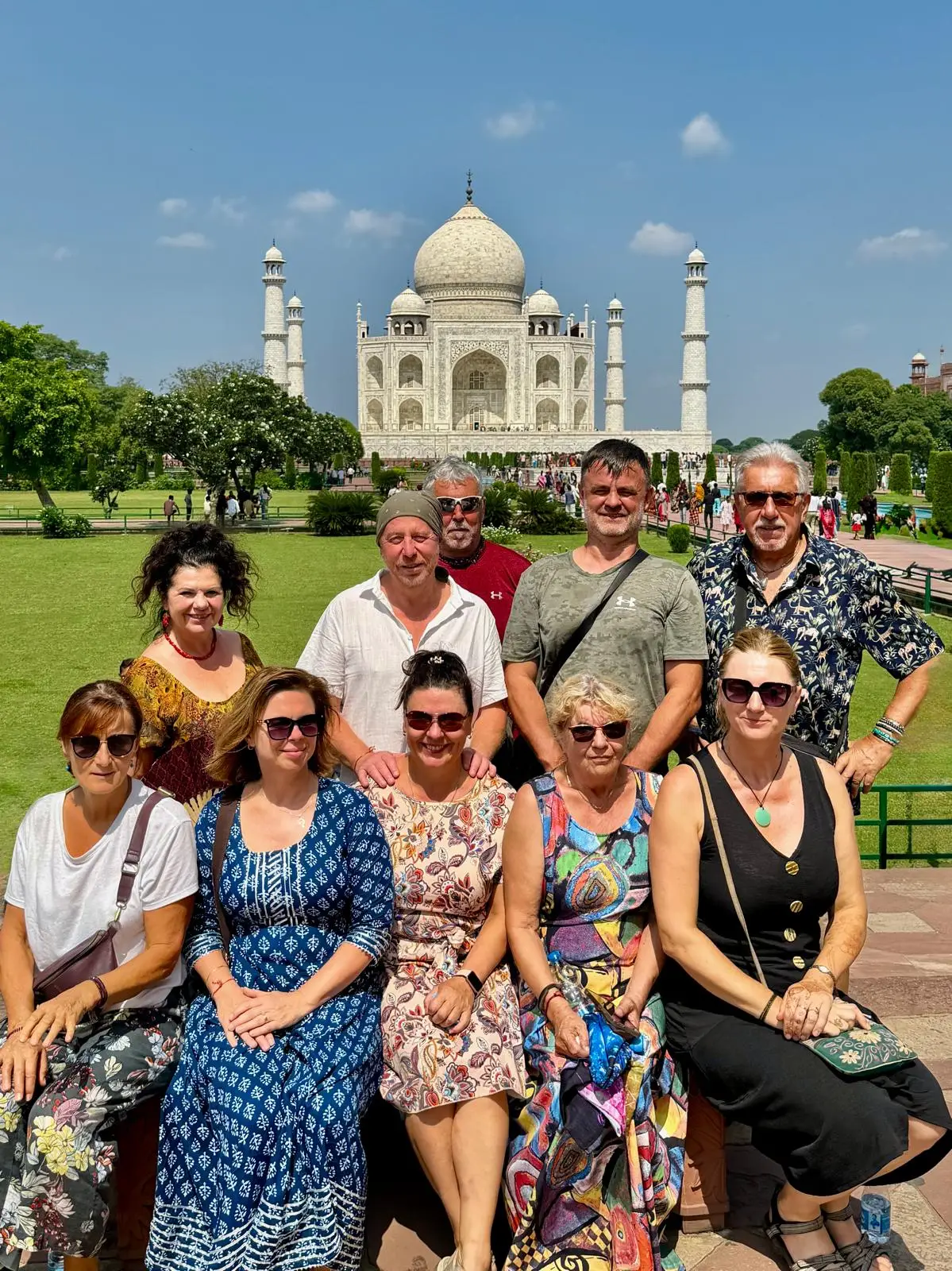
A Golden Triangle tour from Delhi is one of the most rewarding ways to experience India's history, architecture and cultural diversity in a single holiday. Connecting Delhi, Agra and Jaipur, this famous travel circuit introduces international visitors to Mughal monuments, royal palaces, colourful markets, traditional cuisine and centuries-old traditions.
Each city offers a different perspective on India. Delhi brings together historic landmarks and modern urban life, Agra showcases the architectural brilliance of the Mughal era, and Jaipur welcomes visitors with its magnificent forts, royal residences and vibrant Rajasthani culture.
Whether you are visiting India for the first time, travelling as a couple or planning a family holiday, this journey offers an excellent introduction to North India. With five days available, you can explore the major attractions while enjoying authentic local experiences along the way.
Why Is the Golden Triangle One of India's Most Popular Travel Routes?
The Golden Triangle gets its name from the triangular route formed by Delhi, Agra and Jaipur on India's map. Together, these destinations provide a remarkable combination of history, architecture, food, shopping and cultural experiences.
Here is what makes each city special:
Delhi: Explore the country's capital, where Mughal architecture, British-era buildings, religious landmarks and lively neighbourhoods exist side by side.
Agra: Discover the Taj Mahal, Agra Fort and other remarkable examples of Mughal architecture.
Jaipur: Experience Rajasthan's royal heritage through hilltop forts, grand palaces, traditional crafts and colourful bazaars.
The route is also convenient for international travellers because all three cities have established tourism infrastructure, accommodation options and road and rail connections.
Best 5-Day Golden Triangle Tour from Delhi Itinerary
Five days provide a comfortable starting point for exploring the three cities. The following itinerary balances sightseeing, travel time and opportunities to experience local culture.
Suggested route: Delhi → Agra → Jaipur → Delhi
Day 1: Arrival in Delhi and Old Delhi Exploration

Begin your journey in Delhi, India's capital and one of its most historically significant cities.
After arriving at Indira Gandhi International Airport, transfer to your hotel and take some time to settle in. Depending on your arrival time, explore some of the city's famous attractions.
Start with Old Delhi, where narrow lanes, historic buildings and traditional markets reveal a fascinating side of Indian life.
Places to explore:
Red Fort: A magnificent Mughal-era fort built by Emperor Shah Jahan.
Jama Masjid: One of India's largest historic mosques, known for its impressive architecture.
Chandni Chowk: A lively marketplace famous for street food, traditional shops and busy lanes.
India Gate: A prominent war memorial surrounded by landscaped public spaces.
If time permits, explore New Delhi's wide boulevards and colonial-era architecture.
Local experience: Take a traditional cycle-rickshaw ride through Chandni Chowk and try local favourites such as parathas, chaat or jalebi.
Overnight stay in Delhi.
Day 2: Delhi to Agra and the Timeless Beauty of the Taj Mahal

After breakfast, travel from Delhi to Agra by private vehicle or train. The road journey generally takes around three to four hours, depending on traffic and your starting point.
Agra was once an important centre of the Mughal Empire and remains one of India's most celebrated heritage destinations.
Your first major attraction should be the Taj Mahal, an extraordinary white-marble mausoleum commissioned by Emperor Shah Jahan in memory of his wife Mumtaz Mahal. Its symmetrical design, intricate marble inlay work and beautiful gardens make it one of the world's most admired architectural landmarks.
For a more memorable experience, consider visiting early in the morning when the softer light creates beautiful views of the monument.
Other places worth visiting:
Agra Fort: A UNESCO World Heritage Site featuring impressive gates, royal halls and historic palaces.
Itimad-ud-Daulah: Often called the Baby Taj, this elegant marble tomb is known for its delicate decorative work.
Mehtab Bagh: A peaceful garden across the Yamuna River offering a different perspective of the Taj Mahal.
Local experience: Explore Agra's traditional markets for marble handicrafts, leather products and locally made souvenirs. You can also try the city's famous petha, a traditional sweet made from ash gourd.
Overnight stay in Agra.
Important: The Taj Mahal remains closed to general visitors every Friday. Plan your itinerary accordingly. Check current timings, entry rules and ticket information on the official Taj Mahal website.
Day 3: Agra to Jaipur via Fatehpur Sikri

After breakfast, leave Agra for Jaipur, the capital of Rajasthan. A worthwhile stop along the way is Fatehpur Sikri, a historic Mughal city located approximately 40 kilometres from Agra.
Built by Emperor Akbar in the 16th century, Fatehpur Sikri served as the Mughal capital for a relatively short period. Today, its impressive architectural complex offers insight into the political and cultural history of the empire.
Highlights of Fatehpur Sikri include:
Buland Darwaza: A monumental gateway known for its impressive scale.
Panch Mahal: A five-storey palace with distinctive architectural features.
Jama Masjid: A historic mosque within the complex.
Tomb of Salim Chishti: A beautiful white-marble shrine.
Continue your journey towards Jaipur after exploring the site.
Upon arrival, check into your hotel and enjoy a relaxed evening. You can visit a local market or experience a traditional Rajasthani dinner.
Overnight stay in Jaipur.
Day 4: Discover Jaipur's Royal Heritage and Colourful Markets
Panorama of Amer (Amber) fort, Rajasthan, India
aipur, popularly known as the Pink City, is famous for its royal architecture, historic forts and traditional craftsmanship.
Spend the day exploring its most important attractions.
Top attractions in Jaipur:
1. Amer Fort
Located on a hill overlooking Maota Lake, Amer Fort is one of Jaipur's most impressive historical landmarks. Its grand courtyards, decorative halls and intricate mirror work reflect the architectural style of Rajasthan's royal era.
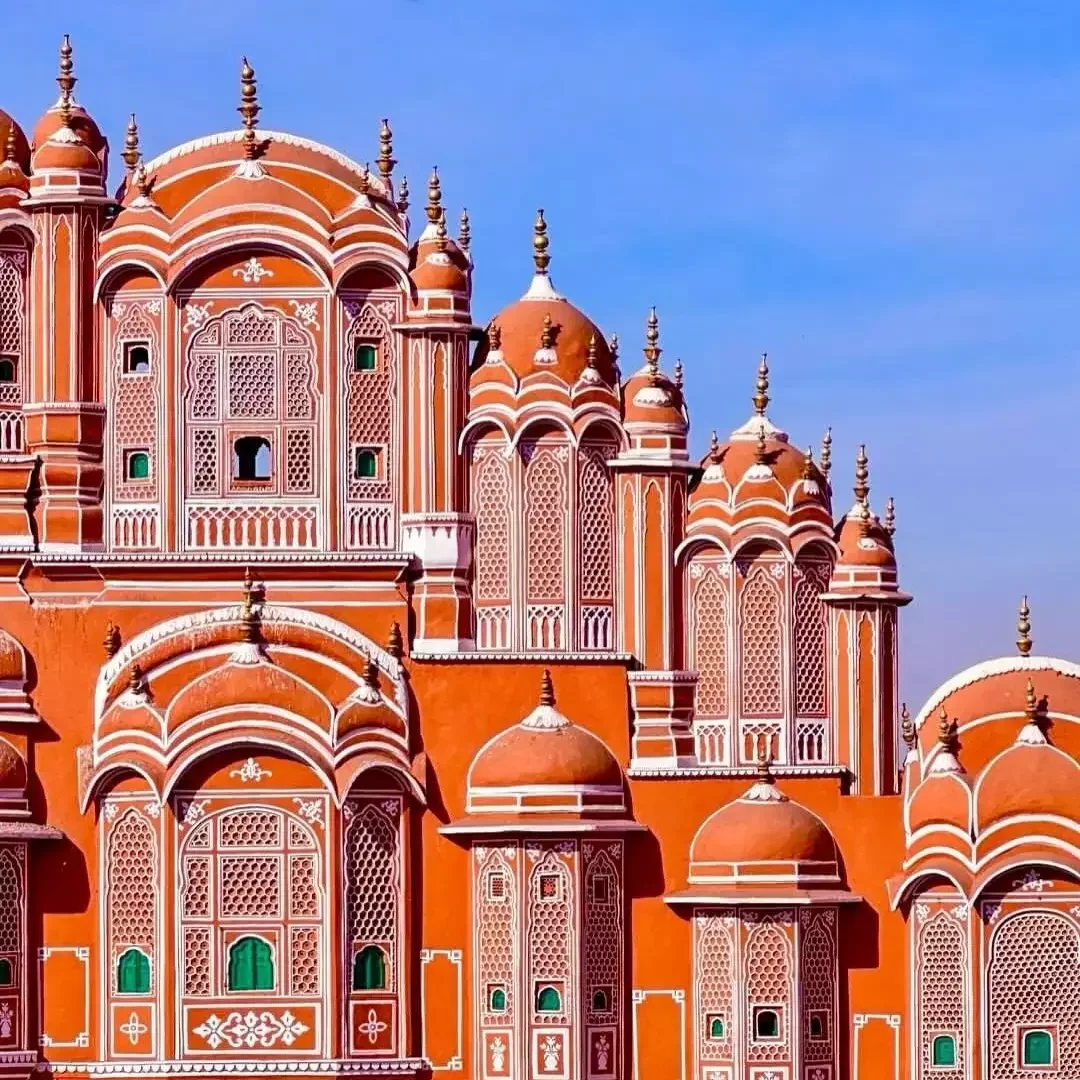
2. Hawa Mahal
Known as the Palace of Winds, Hawa Mahal is famous for its distinctive pink sandstone façade and numerous small windows. It was designed to allow royal women to observe everyday street life without being seen.
3. City Palace
Located in the heart of Jaipur, City Palace combines traditional Rajput and Mughal architectural influences. Its courtyards, museums and royal collections offer a glimpse into Rajasthan's royal history.
4. Jantar Mantar
This UNESCO World Heritage Site is an extraordinary astronomical observatory featuring large stone instruments used to study celestial movements and measure time.
5. Jal Mahal
Situated in the middle of Man Sagar Lake, Jal Mahal is one of Jaipur's most photographed landmarks. Its beautiful setting makes it an excellent stop for photographs.
Local experiences you should not miss:
Browse Johari Bazaar for traditional jewellery and gemstones.
Explore Bapu Bazaar for textiles, footwear and handicrafts.
Try authentic Rajasthani dishes such as dal baati churma, gatte ki sabzi and ker sangri.
Visit a traditional craft workshop to discover block printing, blue pottery or miniature painting.
Overnight stay in Jaipur.
Day 5: Jaipur to Delhi and Departure
After breakfast, begin your return journey to Delhi.
The road journey generally takes around five to six hours, depending on traffic and road conditions. You can also arrange a train journey if it suits your onward travel plans.
Depending on your departure schedule, you may have time for a relaxed breakfast, some last-minute shopping or a short stop along the way.
On arrival in Delhi, transfer to the international airport or your preferred departure point.
This concludes your Golden Triangle holiday, offering a memorable introduction to India's historic cities, architectural treasures and cultural traditions.
How to Travel Between Delhi, Agra and Jaipur
Choosing the right transport can make your journey considerably more comfortable. Each city is well connected, but the best option depends on your schedule, budget and travel preferences.
| Route | Private car | Train |
|---|---|---|
| Delhi to Agra | Around 3–4 hours | Around 2–3 hours on selected services |
| Agra to Jaipur | Around 4–5 hours | Around 4–5 hours on selected services |
| Jaipur to Delhi | Around 5–6 hours | Around 4–5 hours on selected services |
Travel times are approximate and vary according to traffic, train service and departure station.
Private car: A good option for families, couples and travellers who prefer flexible sightseeing, hotel pickups and convenient stops along the route.
Train: Suitable for travellers who prefer rail journeys and want to avoid highway traffic. Book seats in advance, especially during busy holiday periods.
Private guided tour: An organised tour can simplify hotel arrangements, transport, sightseeing and local guide services, particularly for first-time international visitors.
For additional destinations and extended journeys across the region, explore the North India tour packages.
Best Time to Plan a Golden Triangle Holiday
The best time to explore Delhi, Agra and Jaipur is generally between October and March, when temperatures are more comfortable for outdoor sightseeing.
Here is a seasonal overview:
| Season | Months | What to expect |
|---|---|---|
| Winter | December–February | Cool weather, pleasant daytime sightseeing and occasional fog |
| Spring | March | Warmer days and generally comfortable travel |
| Summer | April–June | High temperatures, particularly in Agra and Jaipur |
| Monsoon | July–September | Rainfall, humid conditions and greener landscapes |
Our recommendation: October, November, February and early March are particularly good choices for travellers who want to explore monuments, markets and outdoor attractions comfortably.
December and January can also be excellent, although morning fog may occasionally affect road and train journeys.
What Should You Pack for the Golden Triangle Tour?
A little preparation can make your holiday much more enjoyable.
Consider packing:
Comfortable walking shoes for forts, monuments and markets.
Lightweight cotton clothing for warmer afternoons.
A light jacket or sweater for winter mornings and evenings.
Sunscreen, sunglasses and a reusable water bottle.
A hat or cap for outdoor sightseeing.
A small day bag for personal essentials.
Your passport and relevant travel documents.
When visiting religious places, dress respectfully and follow local instructions regarding footwear and photography.
It is also advisable to carry some Indian rupees for small purchases, local transport and street markets, although cards and digital payments are accepted at many established businesses.
Practical Travel Tips for International Visitors
India offers incredible cultural experiences, but understanding a few local customs and travel considerations will help you enjoy your holiday more confidently.
1. Book important attractions in advance
Reserve monument tickets and popular train journeys ahead of time, particularly during peak tourist season.
2. Choose registered local guides
A knowledgeable guide can explain the history behind monuments and introduce you to cultural details you might otherwise miss.
3. Be mindful of local customs
Remove your footwear where required, ask permission before photographing people and respect religious practices.
4. Plan sightseeing realistically
Avoid trying to cover every attraction in one day. Delhi and Jaipur especially deserve enough time to explore beyond their most famous landmarks.
5. Stay hydrated
Carry drinking water, particularly during warmer months, and take breaks between outdoor activities.
6. Keep some flexibility in your schedule
Traffic, weather and local conditions can affect travel times. Allow extra time for airport transfers and important connections.
Frequently Asked Questions About the Golden Triangle Tour from Delhi
How many days are enough for the Golden Triangle tour?
Five days are a good starting point for visiting Delhi, Agra and Jaipur. However, six to seven days allow more time for cultural experiences, shopping and exploring attractions at a relaxed pace.
What is included in a Golden Triangle tour package?
A typical package may include hotel accommodation, private transfers, sightseeing, breakfast and local guides. Monument entry fees, personal expenses and some meals may be charged separately. Always confirm inclusions before booking.
Is the Golden Triangle tour suitable for first-time visitors to India?
Yes. It is one of the most suitable introductory routes for international travellers because it combines famous attractions, established tourist facilities and convenient transport connections.
Can I complete the Golden Triangle tour in three days?
Yes, but it will be a fast-paced journey with limited time in each destination. A five-day itinerary is generally more comfortable, particularly if you want to explore local markets and cultural attractions.
Is the Golden Triangle tour safe for international tourists?
Delhi, Agra and Jaipur are established tourist destinations. Travellers should follow normal precautions, use reputable transport providers, protect their belongings and choose trusted accommodation and guides.
Can I customise my Golden Triangle itinerary?
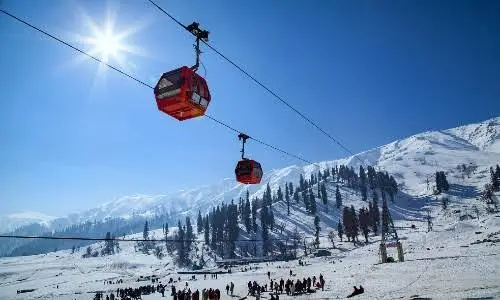
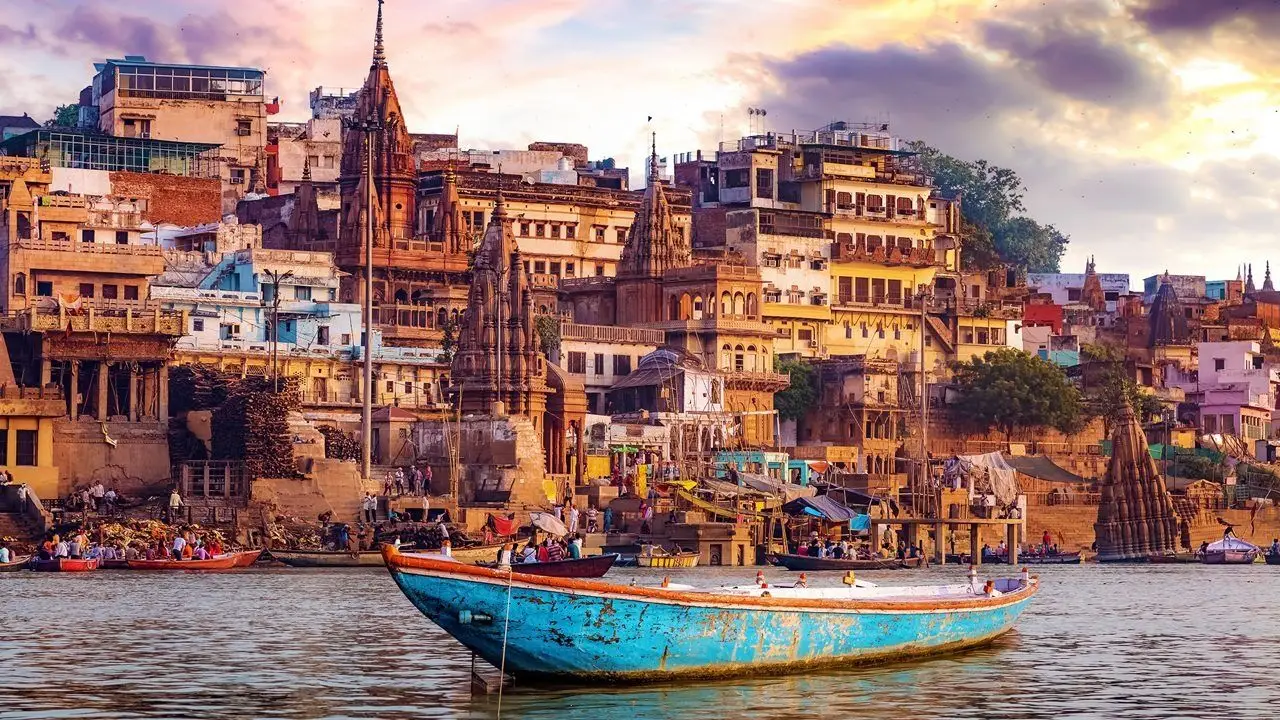
Absolutely. You can adjust the duration, accommodation category, sightseeing preferences and transport arrangements. You can also extend your holiday to include destinations such as Varanasi, Ranthambore, Rajasthan or Kashmir.
Conclusion: Experience the Best of North India
A Golden Triangle holiday is much more than a sightseeing trip. It is an opportunity to understand India's diverse heritage, explore centuries-old architecture, experience regional cuisines and discover the traditions that make each destination unique.
From the historic streets of Delhi and the timeless beauty of the Taj Mahal to Jaipur's magnificent forts and colourful bazaars, every stop adds something different to your journey.
If you are planning your first holiday in India, this route is an excellent place to begin.
Ready to explore India's most celebrated heritage destinations? Discover our Golden Triangle tour package and contact Exotic India Tourism to plan a personalised journey that suits your travel dates, interests and preferences.


Comments
Be the first person to comment on this article.
Leave a Comment